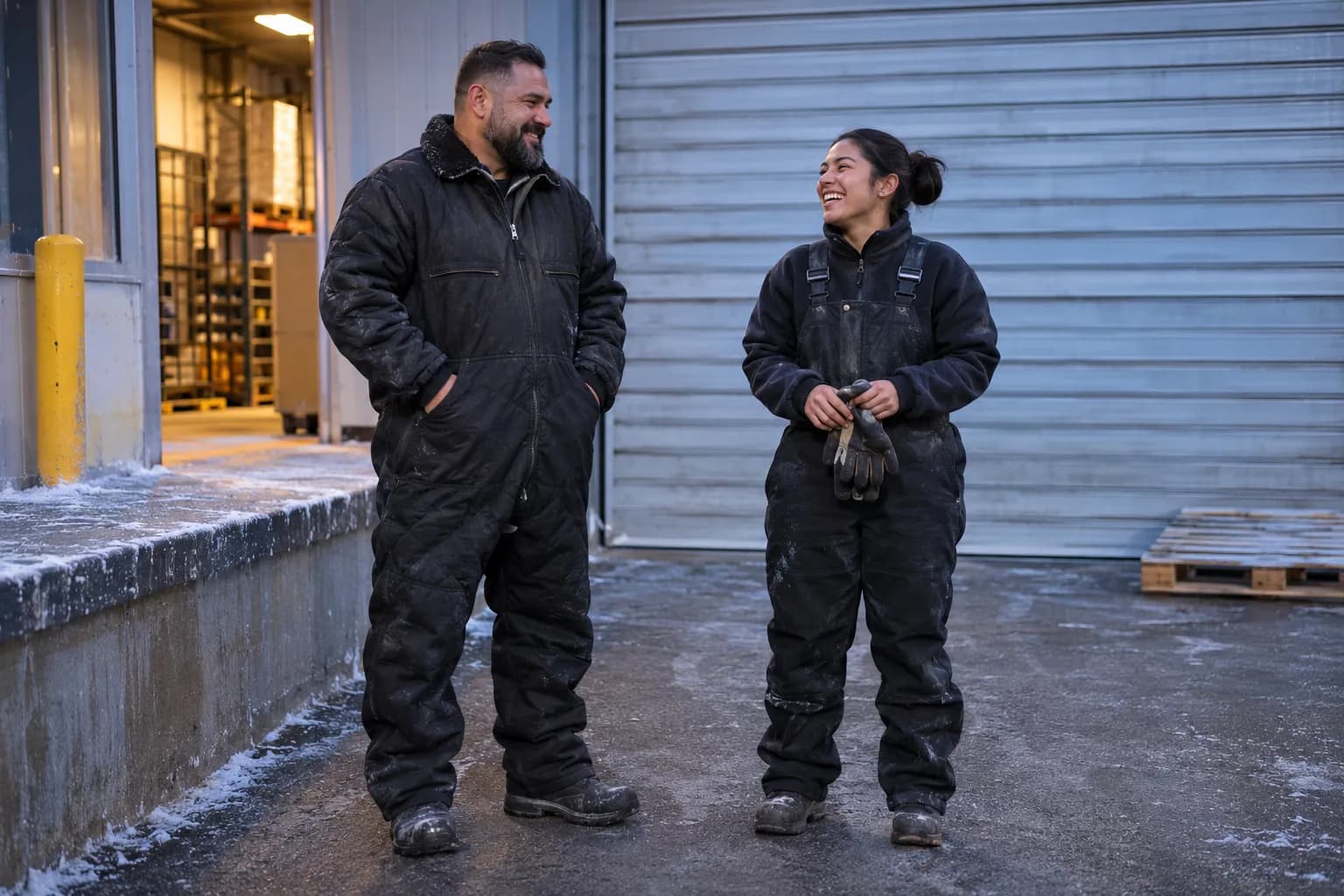
Wind chill: why the thermometer isn't the whole story
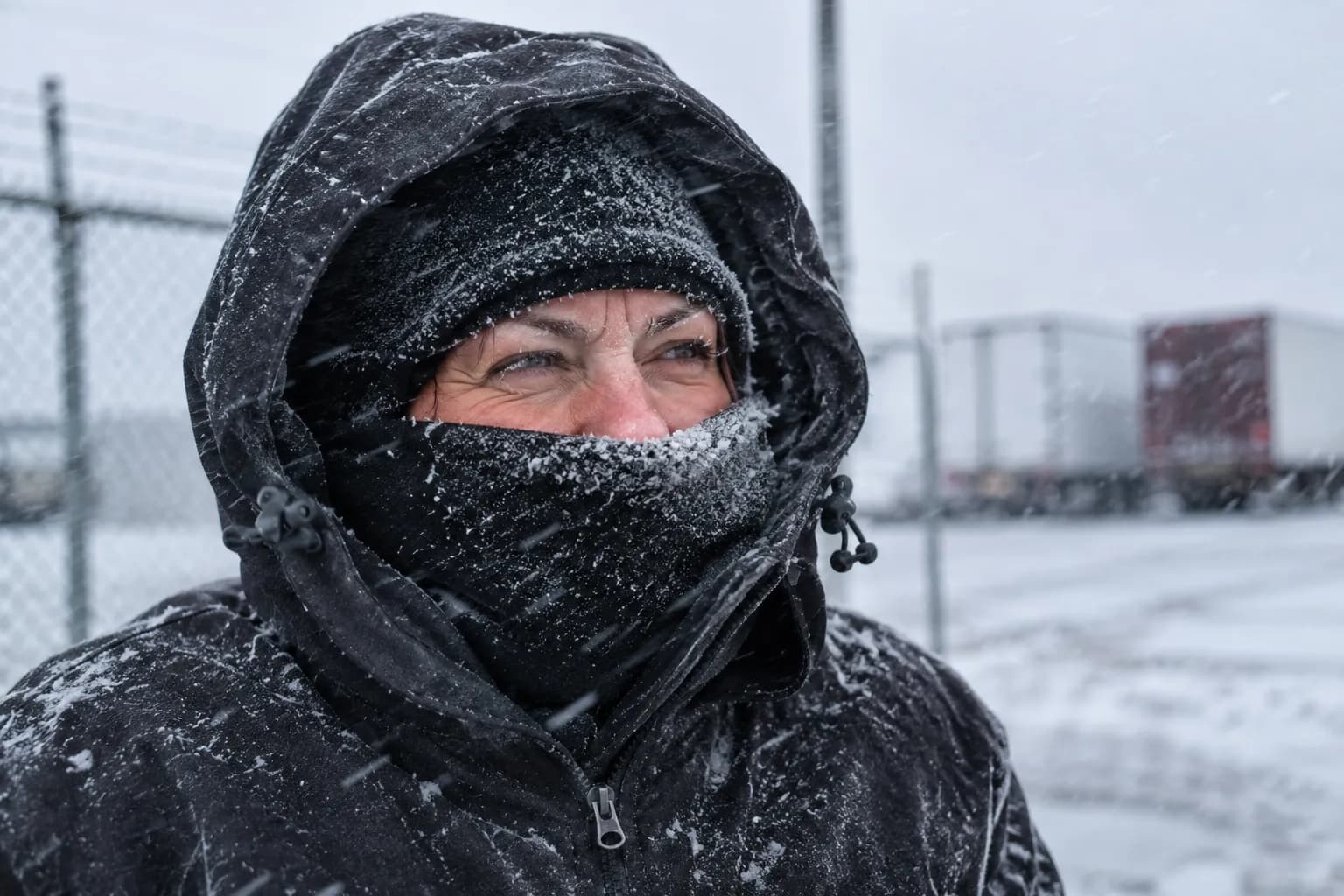
Two mornings can read the same on the thermometer and feel nothing alike. On one the air is still. On the other a steady wind is coming across the yard, and every bit of exposed skin aches within minutes. The difference is wind chill, and on the job it often matters more than the number on the thermometer.
Understanding what wind chill measures, and what it does not, makes it easier to decide what to wear, what to cover and how long to stay out. It also explains why the same jacket can feel fine one day and useless the next.
What wind chill actually is
Your body warms a thin layer of air right next to the skin. In still air that layer stays put and slows heat loss. Wind strips it away and replaces it with colder air, over and over, so exposed skin loses heat faster. Wind chill puts a number on that effect: it is the temperature that would cause the same rate of heat loss from exposed skin in calm air.
The National Weather Service publishes a wind chill index and chart that combine air temperature and wind speed. On that chart, 0°F air with a 15 mph wind gives a wind chill of −19°F. The chart also marks where frostbite can set in quickly, and the NWS uses wind chill when it issues cold weather advisories and warnings.
What it does not do
Wind chill describes heat loss from skin, not the temperature of things. Wind cannot cool an object below the air temperature. A water line or a truck radiator in air above freezing will not freeze however hard the wind blows. It will just cool to the air temperature faster. Wind does not make the air colder; it makes you lose heat to it faster.
That speed is the danger. Exposed skin on the face, ears and hands reaches freezing much sooner in wind, which is why frostbite risk follows wind chill so closely. Skin that is covered by a layer the wind cannot get through is largely shielded from it.
The index also has limits worth knowing. It assumes no sunshine, so bright sun on a sheltered wall can feel milder than the number suggests. Skin that is wet from sweat, snow or spray loses heat faster than dry skin in the same wind. And a forecast describes general conditions, not the gusts funneling between buildings or across an open lot, so the wind where you stand can be stronger.
Block the wind first
In wind, a shell that stops moving air does more than extra insulation underneath. Insulation can only hold warm air if the wind is not blowing it out. Choose a wind-tight outer layer and close the places where air gets in: the collar, the cuffs, the waist and the front zip.
Then check the seals where layers meet. A jacket that rides up when you reach overhead opens a gap at the small of the back, an open collar lets wind run straight down your spine, and a loose cuff over a glove funnels air up the sleeve. Bibs with a high back rise, such as the CHILL-BLOC® Bib Overalls, close that first gap under a waist-length jacket.
The CHILL-BLOC® Boreal Jacket is built wind-tight with a water-repellent finish and a fleece lining, in a waist length that stays out of the way when you climb. The CHILL-BLOC® Parka uses bound seams to block drafts and knit storm cuffs to seal the wrists, with more coverage for slower, longer work in the open.
Cover every bit of exposed skin
The skin wind chill hurts is the skin you leave out. The nose, cheeks, ears and the gap between collar and hat are where frostbite usually starts on a windy day. Cover them before you get cold, not after they go numb.
A CHILL-BLOC® Fleece Balaclava covers the head, face and neck and fits under a hard hat. A CHILL-BLOC® Fleece Neck Gaiter covers the nose, mouth, ears and neck, with an elasticated drawcord to seal out cold air, and packs small enough to keep in a pocket until the wind picks up. Gloves count too. Take them off to work a small fastener and the wind is on bare fingers straight away.
The usual mistake is waiting. The face feels fine for the first few minutes, so it stays uncovered, and by the time it hurts the skin is already on its way to numb. Pull the gaiter or balaclava up before you step into the wind. Over a long day your breath dampens any face cover, and a damp one in the wind is cold, so a spare in an inside pocket is worth carrying.
Height, speed and open trucks
Wind is usually stronger above the ground. A roofer, a crane operator or someone on a scaffold or lift often faces more wind than the crew below, with less shelter from it. Check conditions where you will actually be working, not just at ground level, and plan more frequent warm-ups for elevated work.
Movement makes its own wind. Riding in an open truck bed, on the back of a utility vehicle, or on an ATV or snowmobile adds your speed to the wind on exposed skin, even on a still day. Cover your face and hands before you set off, and treat a long ride in the open as cold exposure in its own right.
Shelter the work, not just the worker
Clothing protects one person. A windbreak protects everyone working behind it. OSHA's cold stress guidance includes shielding work areas from wind and drafts, and on many sites that can be as simple as a properly secured wind screen, a parked trailer upwind of a fixed workstation, or a warm-up shelter placed where people can reach it without crossing open ground. Face the shelter's door away from the wind, so every trip inside does not let the cold in with it.
Crew leads can also plan around the wind. When the forecast allows, schedule the most exposed tasks, such as work at height or on open ground, for the calmer part of the day, rotate people off the windiest positions, and add warm-up breaks when the wind picks up. On your own, turn your back to the wind for stationary tasks where you can, and use the sheltered side of a vehicle or wall during short pauses.
Quick recap
Wind chill measures how fast exposed skin loses heat, not how cold the air is. With 0°F air and a 15 mph wind, your face loses heat as if it were −19°F, while the air itself is still 0°F. Block the wind with a tight outer layer, cover every patch of skin before it goes numb, and expect more wind at height and on the move.