Cold stress at work: the early signs and what to do
Cold injuries rarely arrive all at once. They build over a shift, and the person it is happening to is often the last to notice, because cold dulls judgment along with fingers. That makes cold stress a crew problem, not a personal one.
OSHA, NIOSH and the CDC group the main cold injuries under one heading, cold stress. Here is what each one looks like early, and what the person next to you should do first. None of this replaces medical care. It covers the minutes before help arrives.
Hypothermia
Hypothermia means the body is losing heat faster than it can make it, until core temperature drops below 95°F. The early signs are shivering, fatigue, clumsy hands and a loss of coordination. Then come the signs people mistake for tiredness or a bad mood: confusion, slurred speech, fumbling with a zip they could normally close with their eyes shut, drowsiness. A worker who stops shivering while still cold is getting worse, not better.
It does not take extreme cold. Wet clothing, wind and a long static task can bring it on at temperatures well above what most people think of as dangerous, which is why damp crews on a mild, windy day are at risk too.
Frostbite
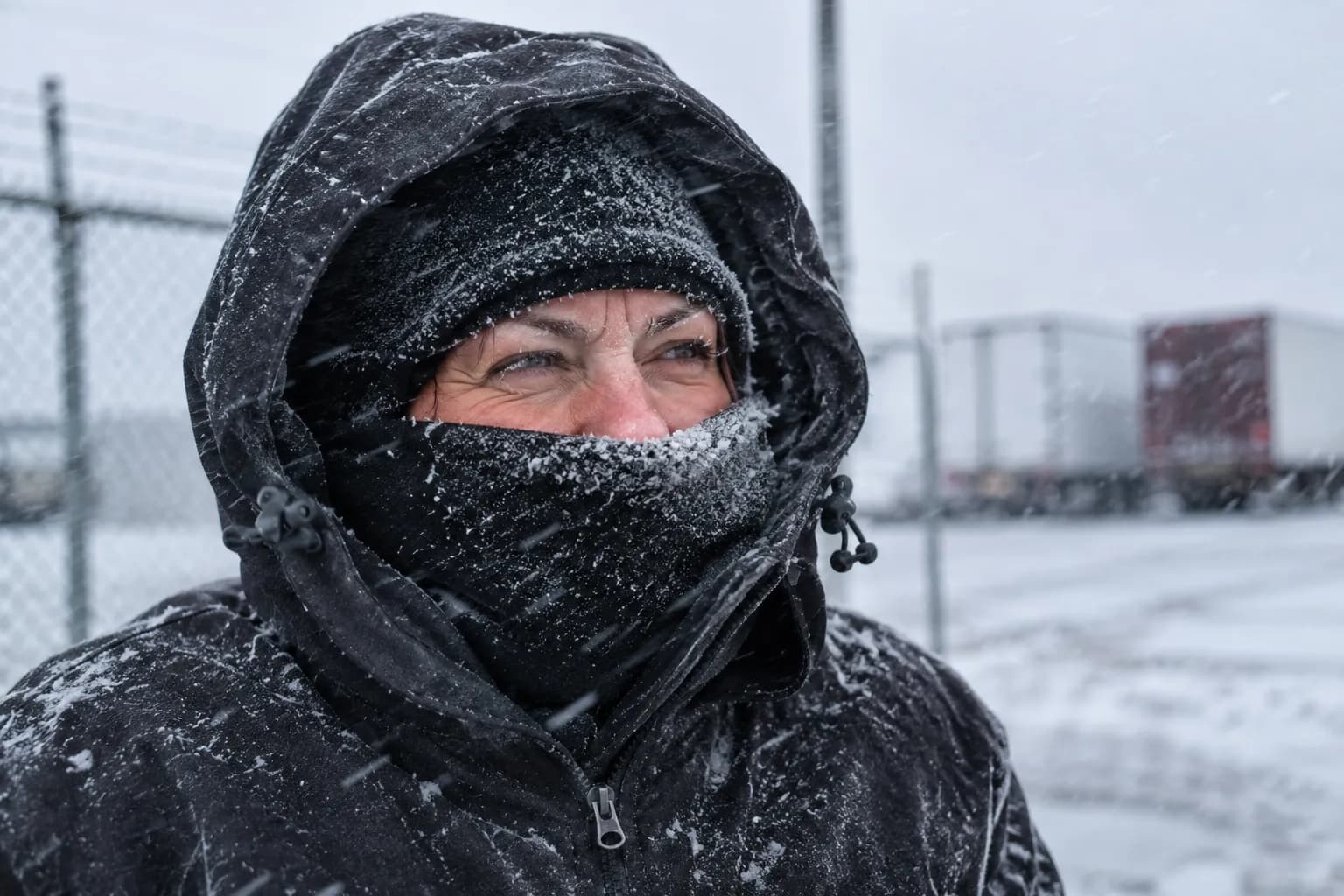
Frostbite is tissue freezing, and it starts at the parts farthest from the core and most exposed: fingers, toes, ears, nose, cheeks and chin. The first signs are numbness, tingling or stinging, and an ache. The skin may then look pale, waxy, grayish or bluish, and feel hard or strangely numb to the touch. Because the area goes numb, the person often cannot feel it happening. Look at each other's faces when you come in from the wind.
Trench foot and chilblains
Trench foot, also called immersion foot, comes from feet that stay wet and cold for hours. It does not need freezing temperatures and can happen well above freezing, because wet feet lose heat far faster than dry ones. Signs include red skin, numbness, swelling, leg cramps, tingling pain and, later, blisters. First aid starts with getting out of wet boots and socks, drying the feet, staying off them and getting medical advice.
Chilblains are small, itchy, red and sometimes swollen patches that form after repeated exposure of bare skin to cold that is above freezing. They are painful rather than dangerous, but they are a sign that skin is being left uncovered or damp. Warm the skin slowly, do not scratch, and keep any blisters clean and covered.
How to check on someone
Because confusion is one of the signs, asking someone whether they are all right is close to useless. People who are getting hypothermic usually say they are fine, and believe it. Ask a question that needs a real answer instead: what the next job is, where the truck is parked, what time the break is. Then watch them do something fiddly, such as closing a zip, threading a strap or signing a sheet.
Look as well as listen. Check the face for pale, waxy or grayish patches on the nose, cheeks and ears, and ask whether fingers and toes have gone numb rather than just cold. If something is off, do not let the person talk you out of it, wander off alone to warm up or drive themselves home. Stay with them, get them to the warm area and tell a supervisor.
What a coworker should do first
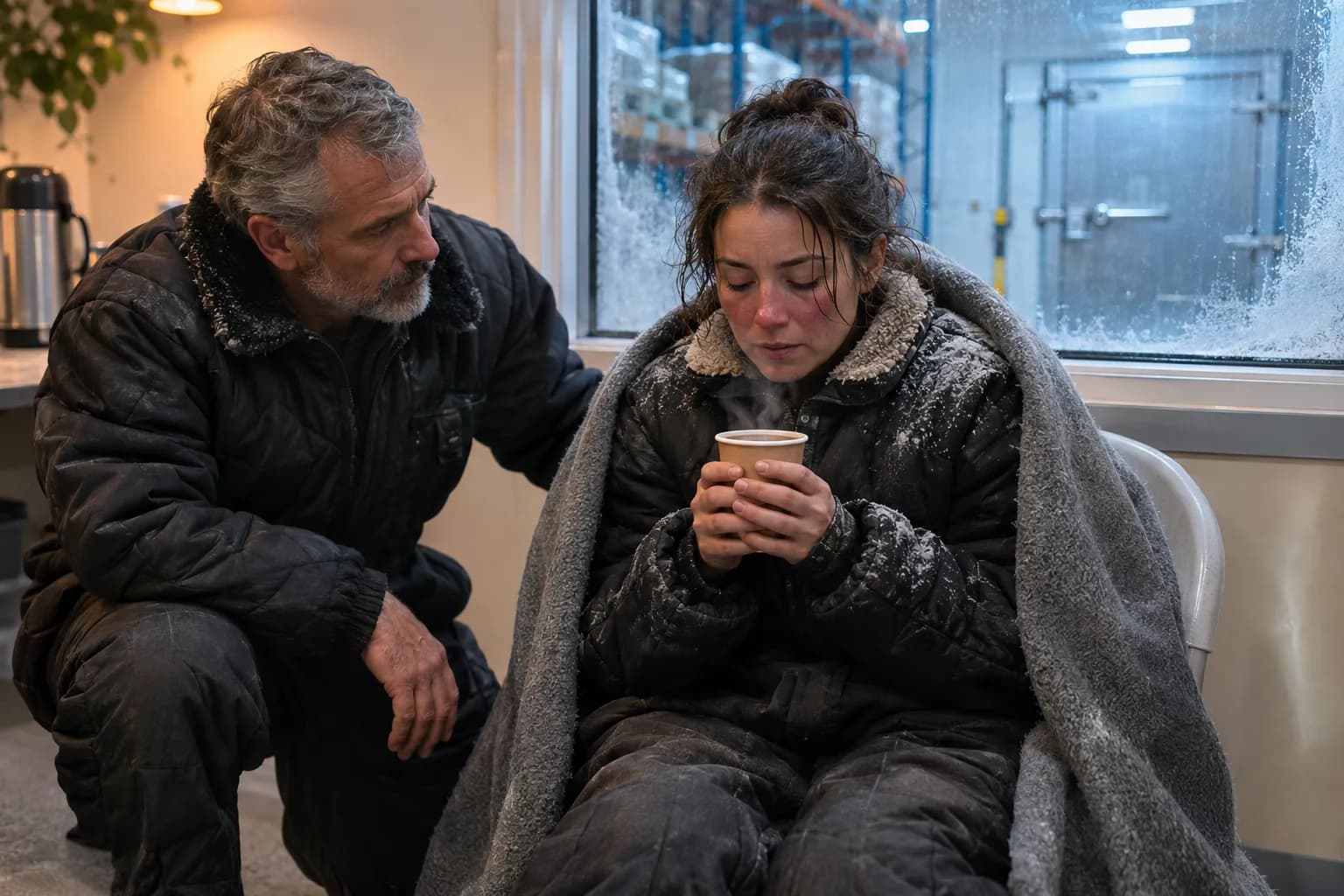
If someone shows signs of hypothermia, call 911. It is a medical emergency. While you wait, move them to a warm area, take off wet clothing and replace it with dry layers or blankets. Warm the center of the body first, meaning the chest, neck, head and groin, rather than the hands and feet. If they are alert and can swallow, a warm, sweet drink helps, but no alcohol. Handle them gently and keep them wrapped and dry.
For frostbite, get the person somewhere warm and check for hypothermia, which takes priority. Do not rub or massage the skin, and do not use direct heat such as a heater, stove, heat lamp or heating pad, because numb skin can burn without the person feeling it. Warm water, not hot, or body heat is safer. Avoid walking on frostbitten feet, and do not rewarm skin that may freeze again. Get medical care, and call 911 for severe frostbite.
Mistakes that make it worse
Some old habits do real harm. Rubbing frostbitten skin, including rubbing it with snow, damages the frozen tissue further. A hot shower, a heater or a heating pad can burn skin the person cannot feel. Alcohol makes people feel warmer while it makes the body lose heat faster, so a drink to warm up does the opposite.
The other common mistake is sending someone straight back out. A worker who has warmed up after early signs should not return until a crew lead has made that call, and anyone with frostbite or hypothermia needs medical care first. Skin that thaws and then freezes again ends up more damaged than before, so frostbitten skin should stay out of the cold until a medical professional has looked at it.
Who is more at risk
OSHA's cold stress guidance names wet clothing, exhaustion and poor physical conditioning as risk factors, along with health conditions such as high blood pressure, an underactive thyroid and diabetes. Some medications also affect how the body handles cold, and new workers who are not yet used to it need closer watching. If any of that applies to you, tell your crew lead.
Prevention is mostly habit
Most cold injuries are prevented by unglamorous routines. Stay dry, and change a damp base layer or wet socks at the first break instead of the last. Take warm-up breaks in a heated area and actually use them. Keep a buddy system, so someone is watching for the slurred word or the dropped tool. Eat, drink and keep layers loose enough that blood can circulate to the hands and feet.
Crew leads carry the parts no individual can. Make sure everyone has been told what these signs look like, that the warm area is actually warm and stocked with dry layers or blankets, and that everyone knows the site address or location to give a 911 dispatcher. On a large yard or remote site, agree in advance who meets the ambulance at the gate. And make it clear that reporting a coworker's symptoms is expected, not telling tales.
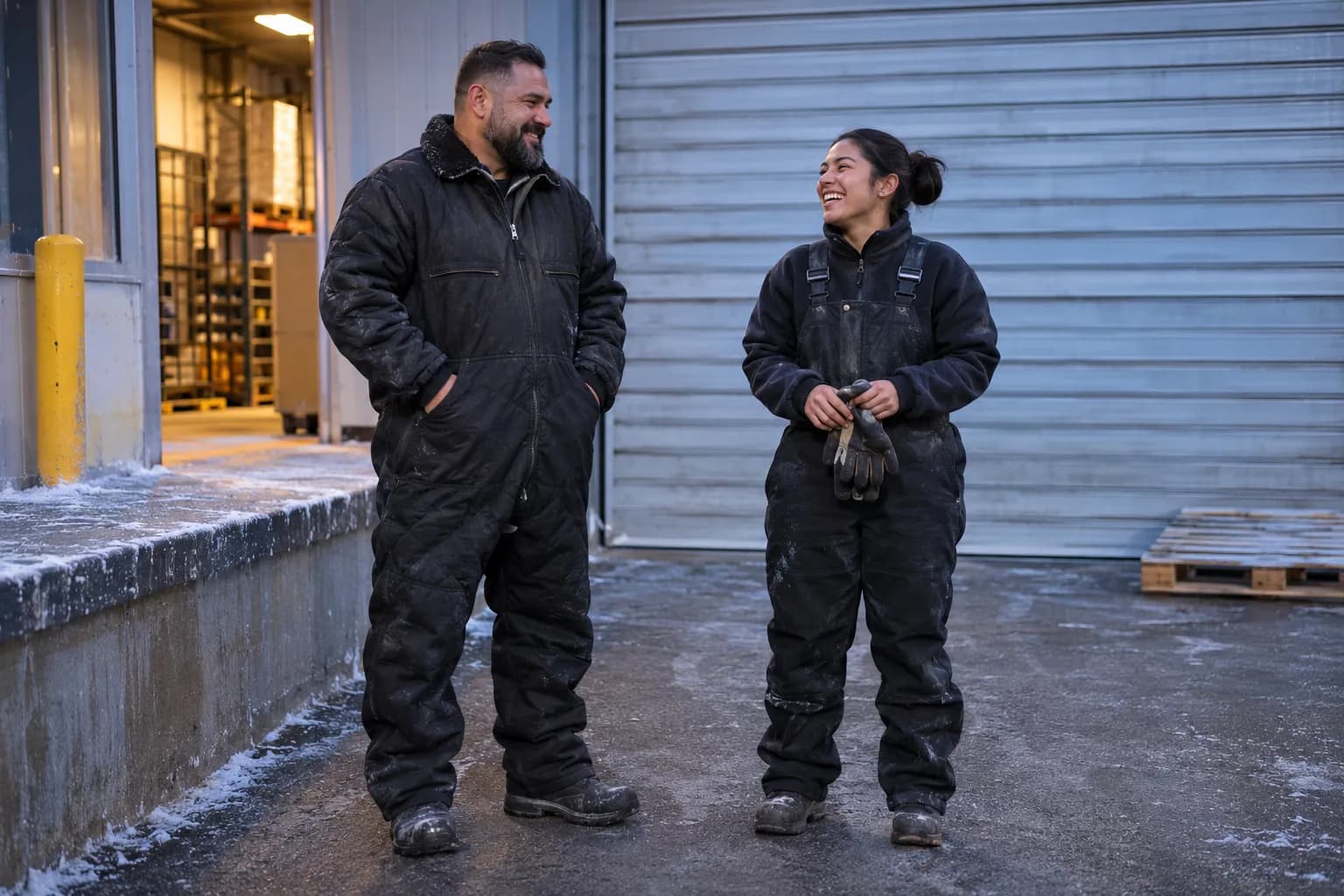
Gear helps most where it closes gaps. One-piece insulation such as the CHILL-BLOC® Coveralls with Hood, stated to −50°F with an attached insulated hood and a water-repellent finish, leaves no gap at the waist. A CHILL-BLOC® Fleece Balaclava covers the head, face and neck, which is where frostbite tends to start. Neither replaces the habits above. They just give those habits a better chance of working.
Quick recap
Cold stress builds quietly, and the person affected is usually the last to notice, so watch each other for confusion, clumsiness and pale or waxy skin. Call 911 for hypothermia or severe frostbite, warm the core first, and never rub frozen skin or put it near direct heat. The rest is habit: stay dry, use the warm-up area and keep someone checking on you.