Winter on a construction site: keeping a crew warm and seen
Winter changes a construction site in ways that go beyond the thermometer. The days are shorter, so shifts start and finish in the dark. The wind is stronger on an open deck than at ground level. The ground itself pulls heat out of anyone kneeling on it. Each of those has a fix, and most come down to planning and clothing.
This piece is written for the people on the tools and for the supervisor who has to keep a whole crew working safely through the season. The clothing advice applies to everyone; the section on breaks near the end is mostly for whoever runs the site.
Dark at both ends
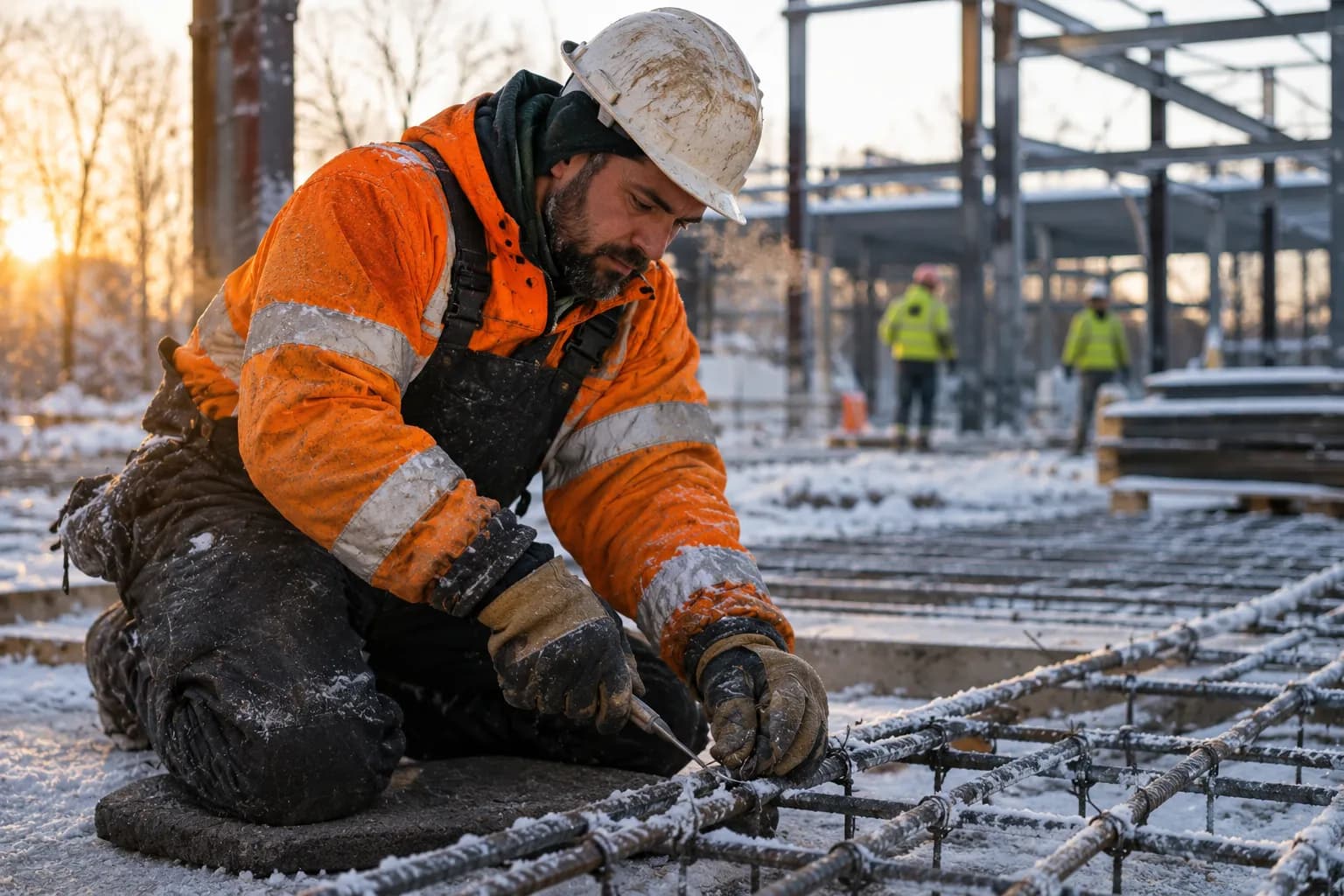
In northern states, winter daylight can be shorter than a full shift plus the drive, so crews arrive and leave in darkness and work near equipment running with its lights on. Fluorescent color helps at dawn and dusk; retroreflective tape is what shows up in headlights. Both only work on the outermost layer, not under a coat.
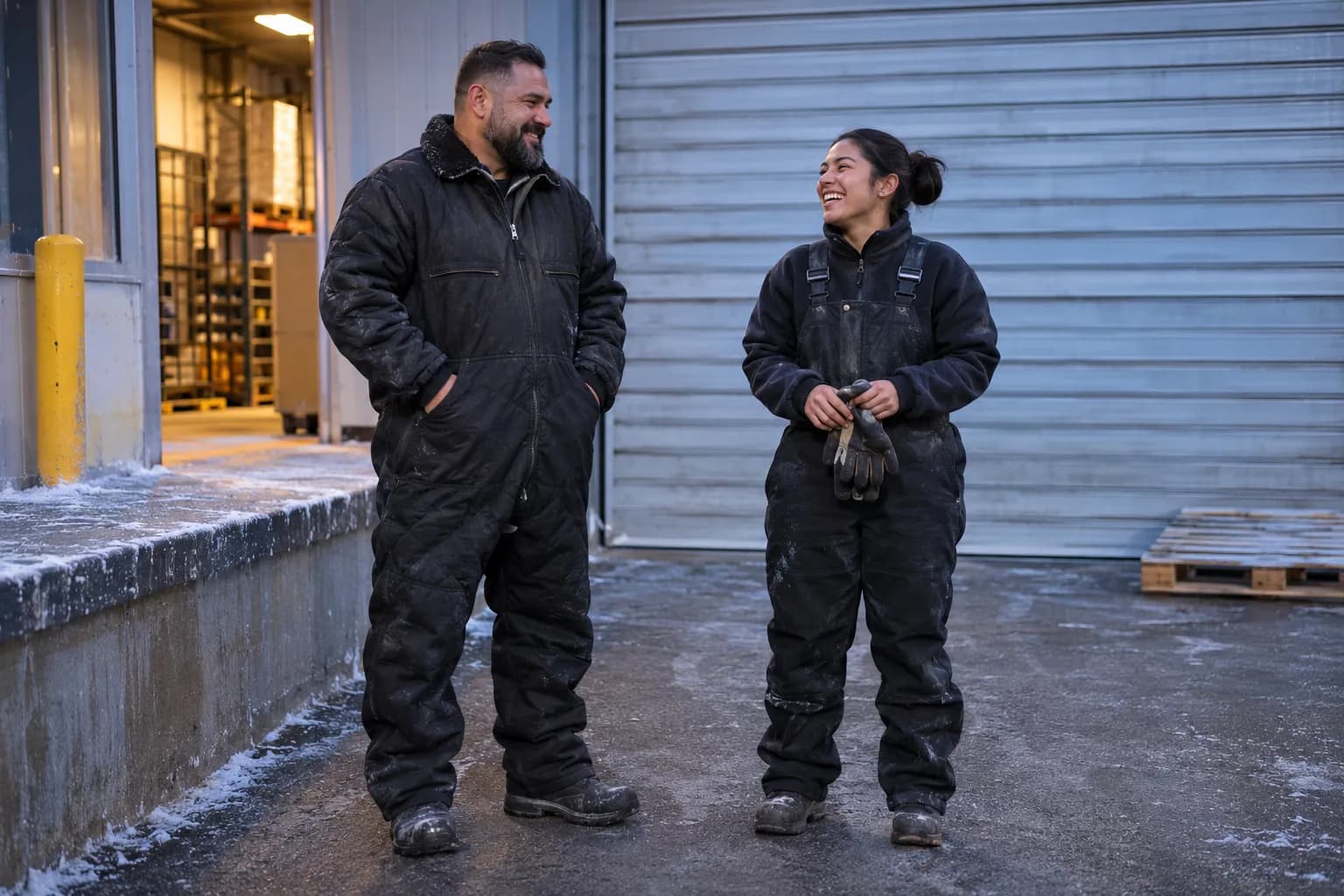
That is the case for insulated hi-vis rather than a vest thrown over a parka. The CHILL-BLOC® Hi-Vis Coveralls put reflective tape on the arms, waist and legs of a coverall stated to −50°F, in Lime or Orange. Whatever your crew wears, check the garment label against the class your site or contract requires.
Wind at height
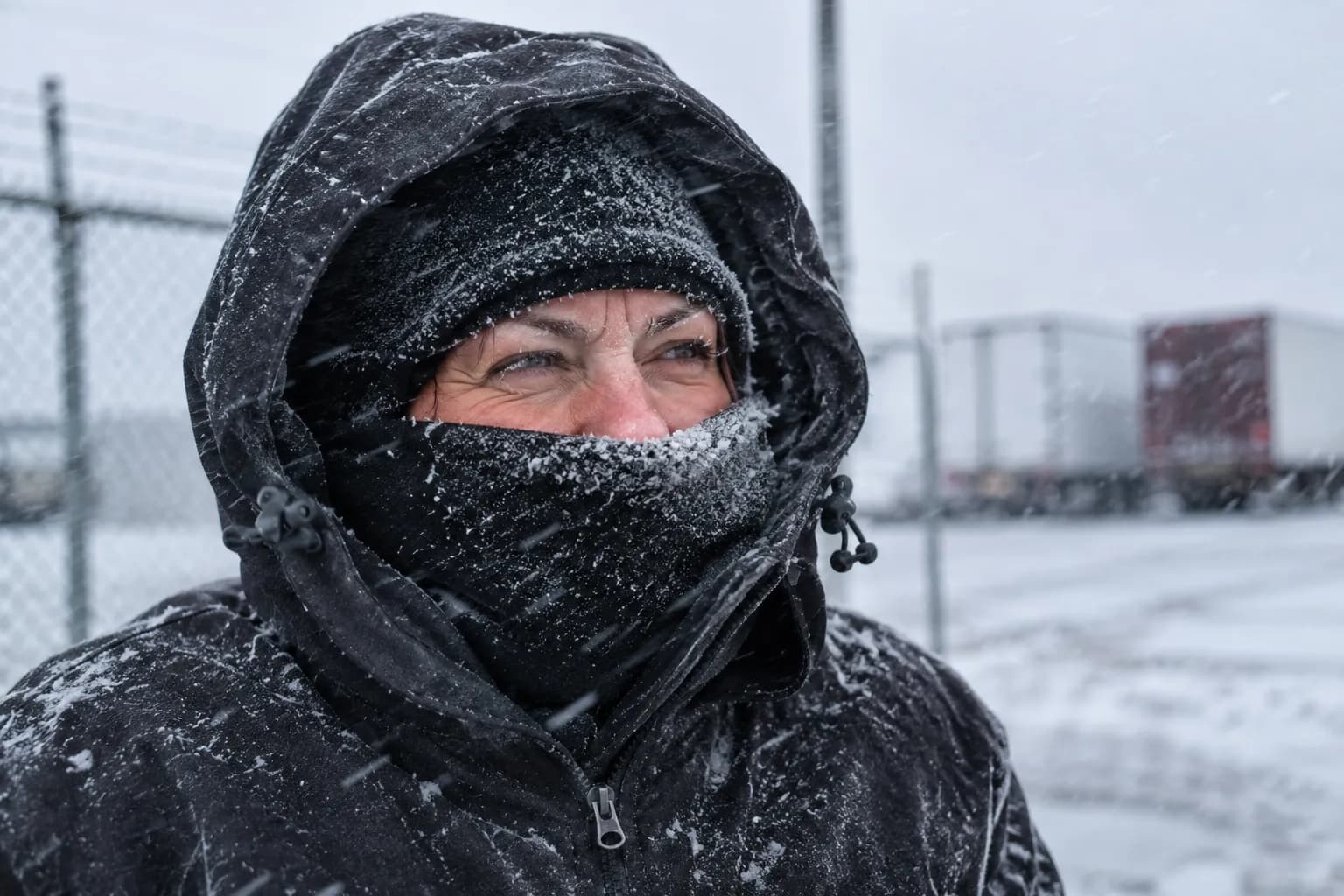
Moving air strips heat away fast. The National Weather Service's wind chill chart puts 0°F with a 15 mph wind at a felt temperature of −19°F, and wind across scaffolding or an open steel frame is often stronger than at street level. Exposed skin on the face and neck suffers first.
For elevated work, choose an outer layer that blocks wind and keep the collar closed. The CHILL-BLOC® Coveralls, No Hood are hood-free, so a hard hat sits properly, with a fleece-lined collar; pair them with a balaclava for the face and neck. Leave scarves and loose drawcords off near rotating machinery, where they can catch.
Cold from the ground up
Kneeling on frozen ground or a cold slab draws heat out through direct contact much faster than still air does. Anyone who works low, setting forms, tying rebar or running conduit, feels it first in the knees and lower back. Kneeling pads put a barrier between you and the surface, and a dry layer at the knees does more than another layer on top.
Bibs earn their place here. The CHILL-BLOC® Hi-Vis Bib Overalls carry 300g insulation and a high front and back rise, so the lower back stays covered when you bend or kneel, with brass rivets and heel patches for rough use. Thigh-high leg zips let you get them on and off over boots at the start and end of the day.
Wet days and the thaw
Snow is easier to dress for than slush. Melting snow, freezing rain and the water around a concrete pour soak through knees, cuffs and gloves, and wet clothing pulls heat from the body much faster than dry clothing does. On those days a water-repellent outer layer counts for more than extra insulation. Over bibs, the CHILL-BLOC® Boreal Jacket suits that kind of day: waist length so it stays out of the way when you bend, water-repellent and wind-tight, with a fleece lining.
Socks and headwear soak through as fast as gloves do. Keep a dry change of both in the truck or site trailer, and hang wet outer layers where they can drain over lunch rather than leaving them balled up on a cold floor, where they will still be wet when the crew goes back out.
Gloves that let people work
On site, a glove that has to come off to start a screw or clip a lanyard ends up in a pocket while bare fingers do the job. For handling materials and tools, grip comes first: the CHILL-BLOC® Leather Grip Gloves pair a leather palm with 100g Thinsulate™ plus foam and a HiPora™ waterproof barrier. For long, static cold, the Coldshield Gloves are stated to −25°F.
Wet gloves lose their warmth quickly, and a crew working through snow or slush can soak a pair well before lunch. Give everyone a second pair kept somewhere warm and dry, and make the swap part of the break routine rather than something people remember when their fingers are already numb.
Frost on planks, ladders and steel
Overnight frost and thin ice form on scaffold planks, ladder rungs, steel beams and formwork, often where they are hardest to see in early light. Snow hides more: floor openings, rebar ends, cords and materials left on the ground the day before. Before anyone climbs or walks a deck in the morning, someone should check it, clear snow and ice, and put down sand or another traction material where people walk.
Clothing plays a part here too. Bulky gloves make it harder to hold a ladder rail, and a hood or a high collar can block the side view you need on a busy deck. Keep three points of contact on ladders, raise tools and materials with a line or hoist rather than carrying them up in your hands, and make sure covers over floor openings are secured and marked so they still read under a layer of snow.
How the season changes
Early winter catches crews out. The first hard cold snap tends to arrive before anyone has dug out last year's gear, and people who worked all summer are not used to the cold yet, which is when the gradual build-up described below matters most. That week is the time to check that everyone has insulated outerwear that still fits, headwear that works under a hard hat and a spare pair of gloves.
Deep winter is steadier: the cold is predictable and the work is about wind, darkness and keeping gear dry. Late winter brings freeze and thaw, with frozen ground in the morning, mud by noon and ice again by the drive home. Crews often switch to lighter layers as the afternoons warm, which is fine after lunch, but the early start still needs the full winter set.
Breaks and the supervisor's job
OSHA's cold stress guidance puts much of the work on planning. Schedule the coldest, most exposed tasks for the warmest part of the day where you can, give the crew a warm, dry place for regular breaks, and offer warm, sweet drinks while steering clear of alcohol. Pair workers so each one watches the other, and let new or returning workers build up their time in the cold gradually.
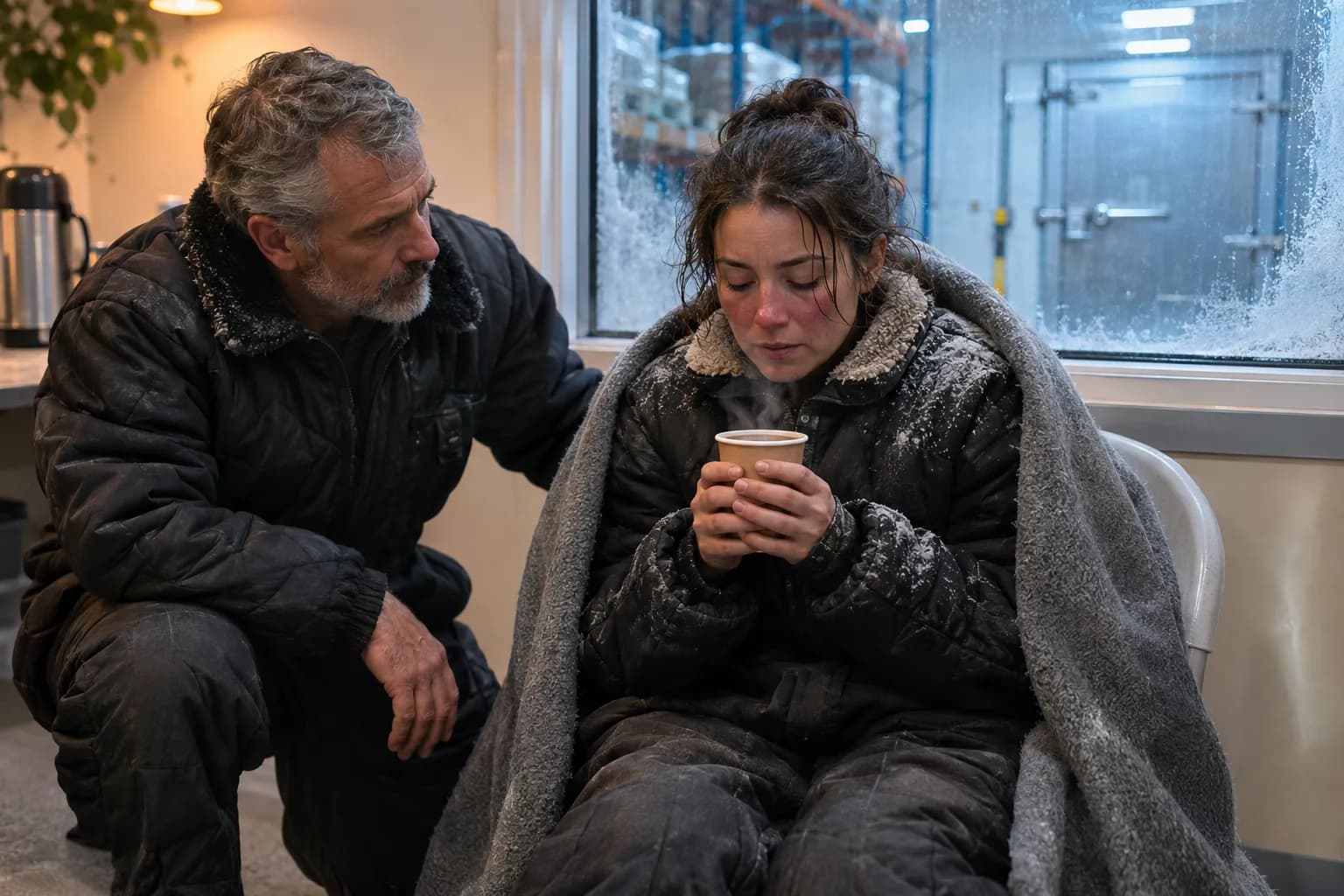
Train the crew to recognize the signs. Uncontrolled shivering, confusion, slurred speech, fumbling hands or drowsiness can mean hypothermia, when body temperature drops below 95°F. Call 911, move the person somewhere warm, remove wet clothing and wrap them in blankets. Numb, white or waxy skin can mean frostbite: warm it gently, never rub it, and get medical help.
Quick recap
Most of a winter site's problems come from darkness, wind, cold surfaces and water. Put visibility on the outermost layer, block the wind at height, keep knees and backs off frozen ground, and plan for wet days and icy mornings before they arrive. The rest comes down to regular breaks, spare gear kept dry and a crew that watches out for each other.