

Cold stress at work: the early signs and what to do
Hypothermia, frostbite, trench foot and chilblains all start with signs a coworker can spot. What to look for, what to do first, and when to call 911.
Contact us+1 718 974 3615
Hypothermia, frostbite, trench foot and chilblains all start with signs a coworker can spot. What to look for, what to do first, and when to call 911.
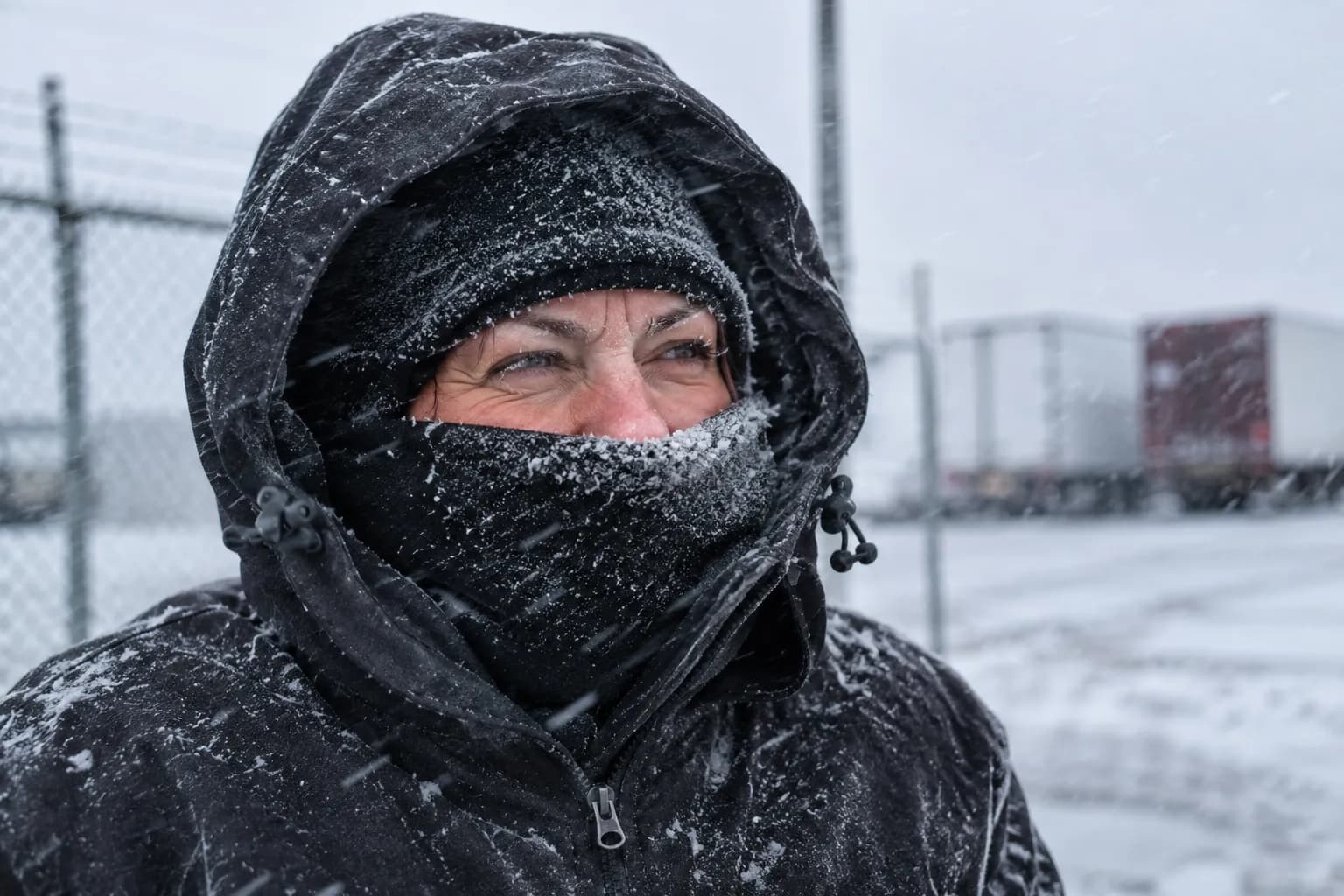
Wind chill measures how fast exposed skin loses heat, not how cold the air is. What the National Weather Service index means and how to dress for it on the job.
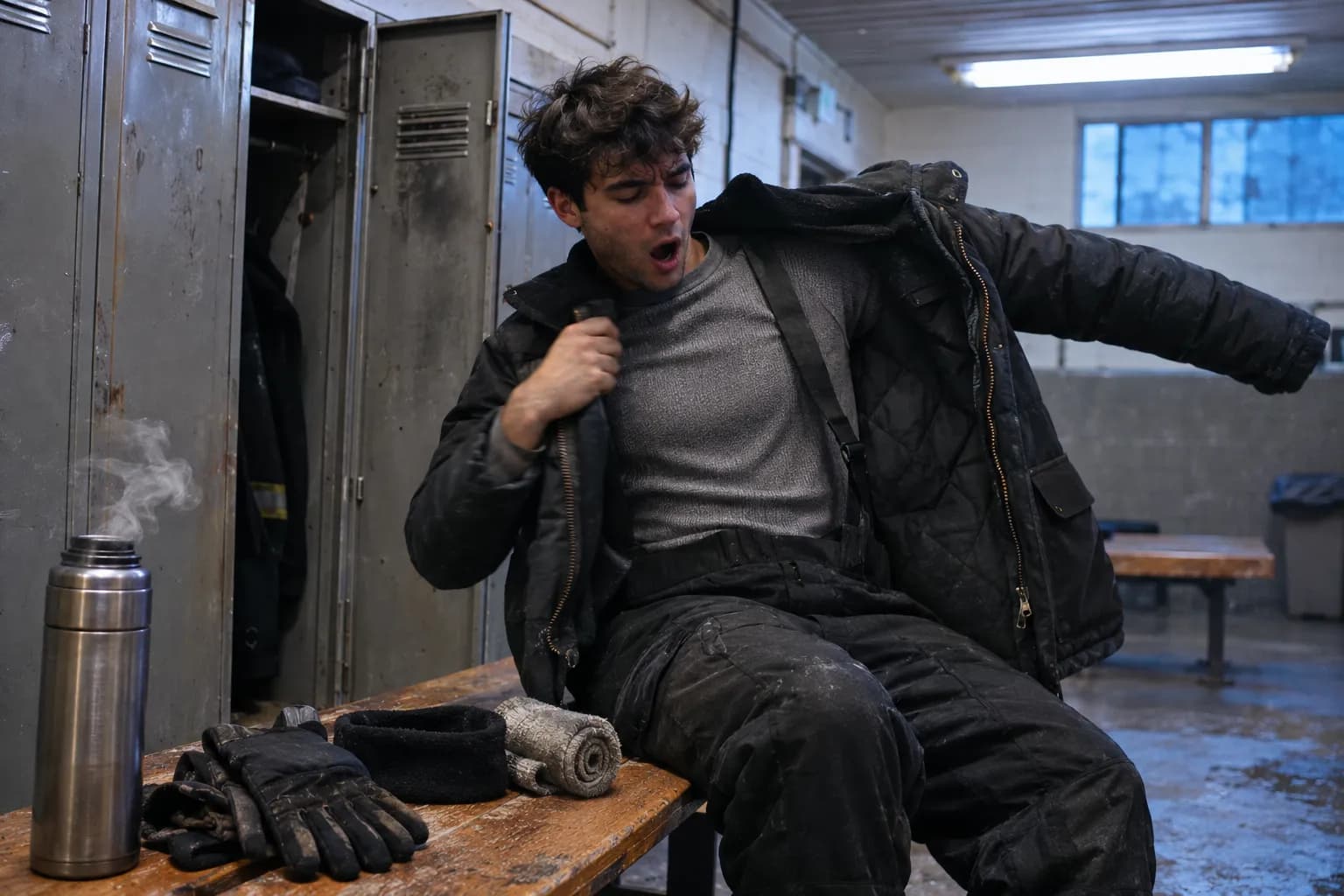
Ten minutes before a cold shift decide how the next eight hours go. A walk-through from the forecast and base layer to spare gloves, dry socks and the warm-up area.
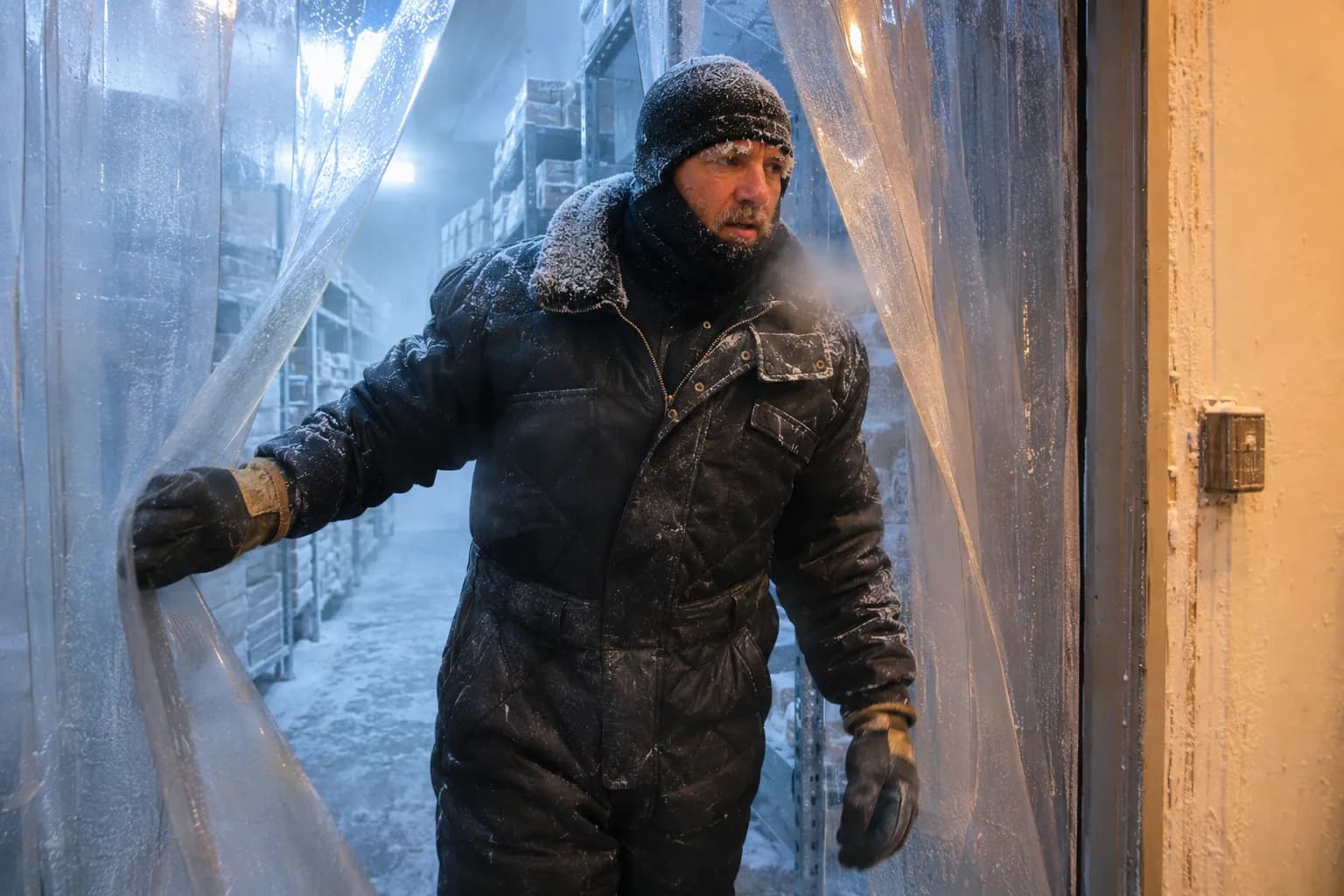
In cold storage the cold never lets up, so the plan has to. How scheduled warm-up breaks, rotation between zones and dry, warm gear between entries keep a crew working.
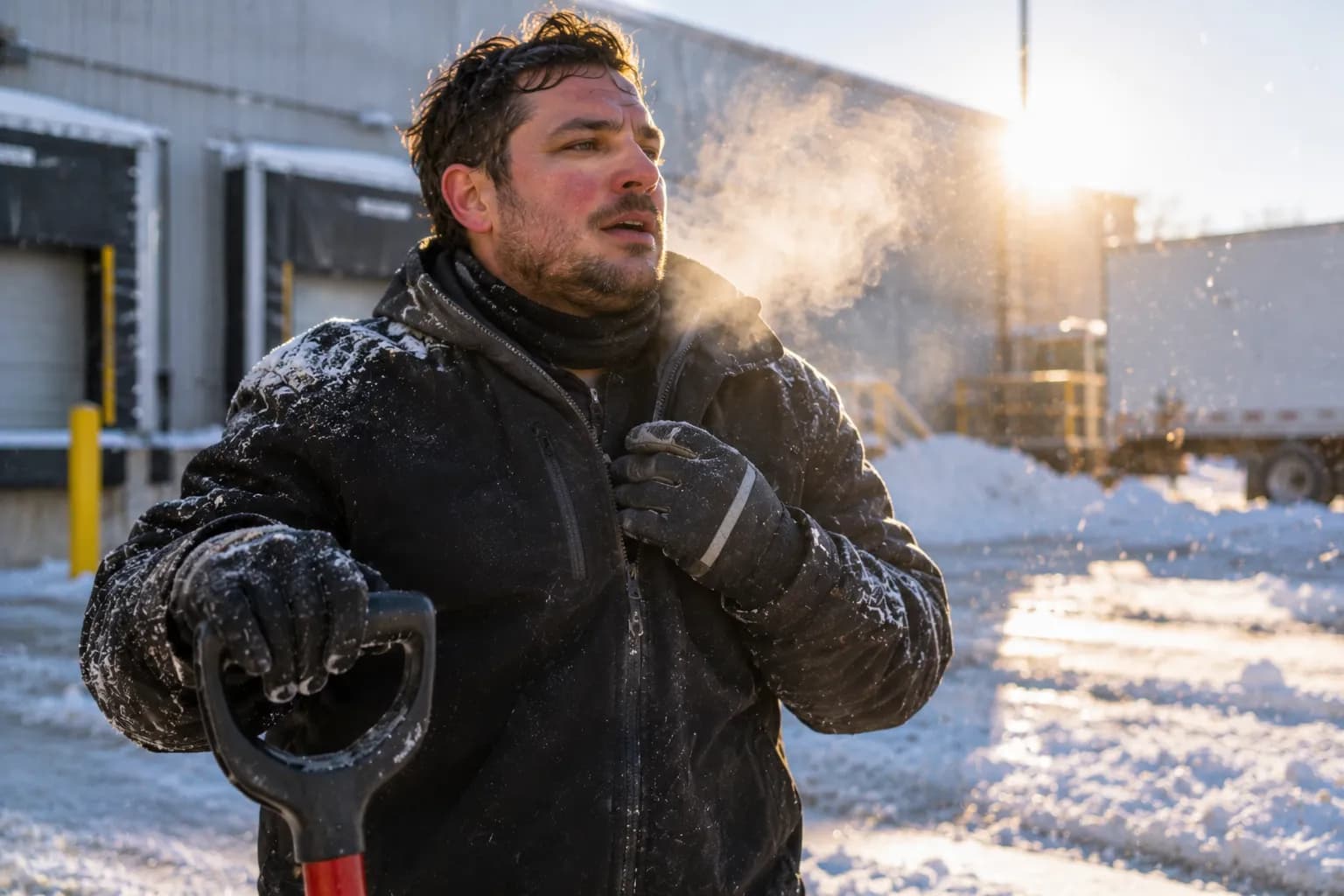
Hard outdoor work in the cold makes you sweat, and damp clothing pulls heat away fast. How to vent early, set your pace, change layers and dry your gear overnight.
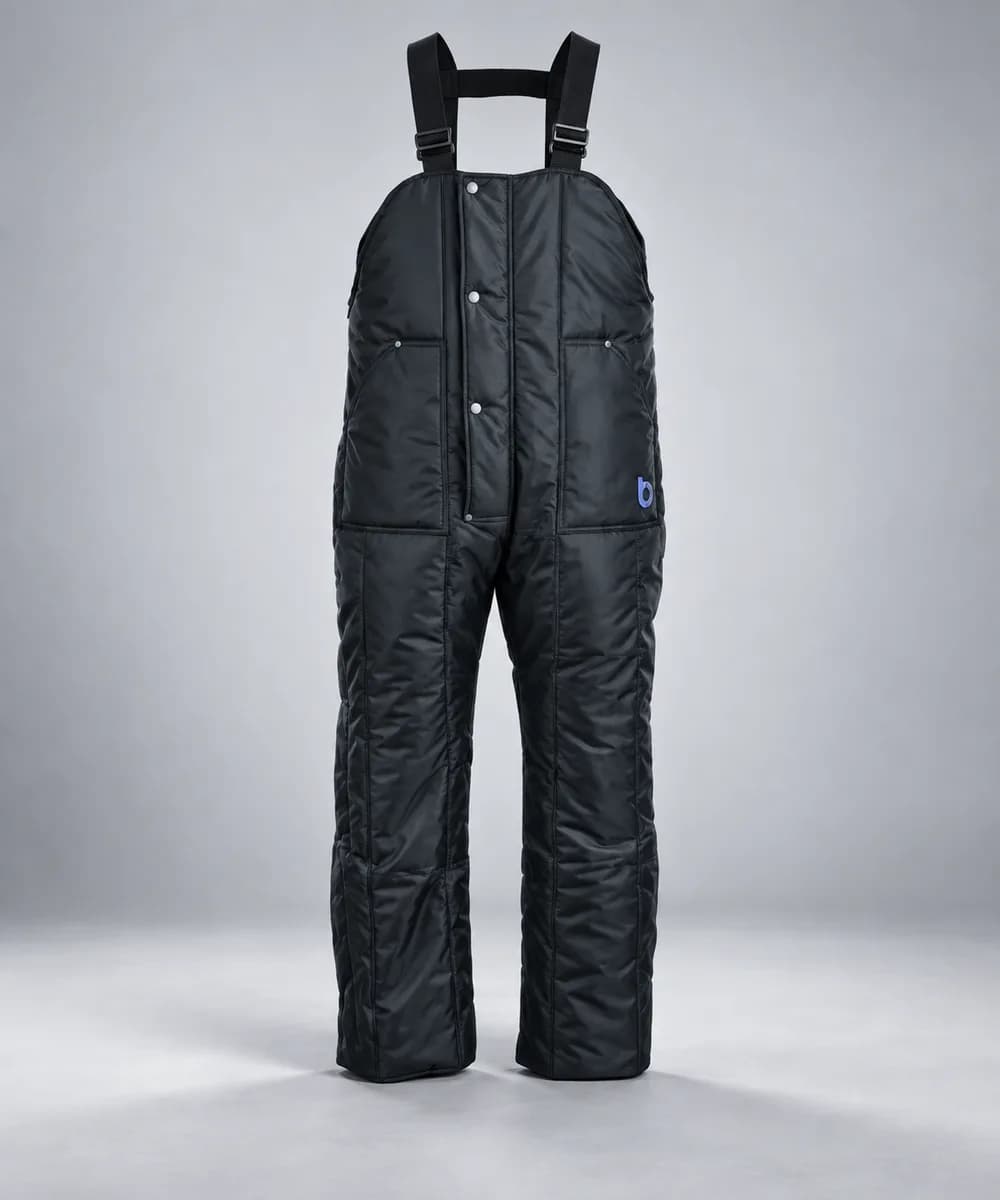
Cold storage is its own problem. The temperature does not change with the weather, the shift is long, and you step in and out of it all day.
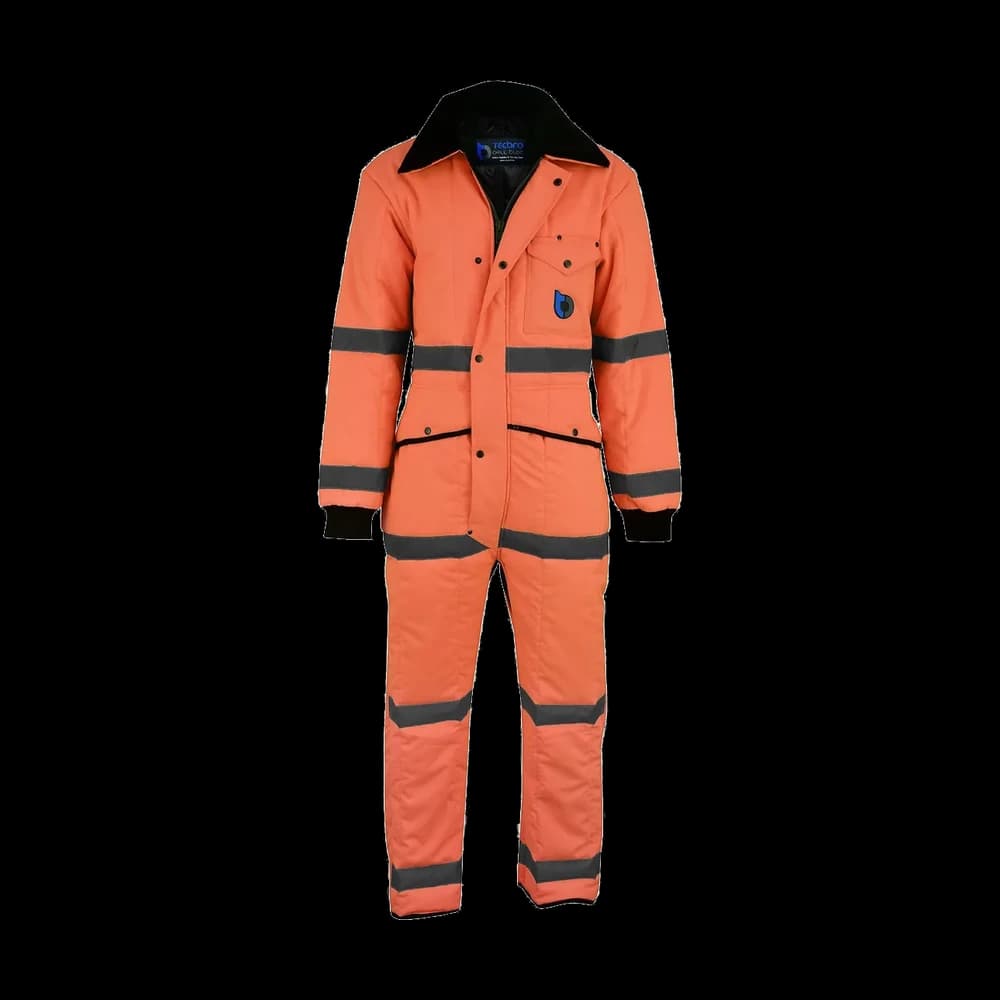
Winter shifts run in the dark at both ends. Yards, docks and sites with moving equipment need the operator to see you well before they need to stop.
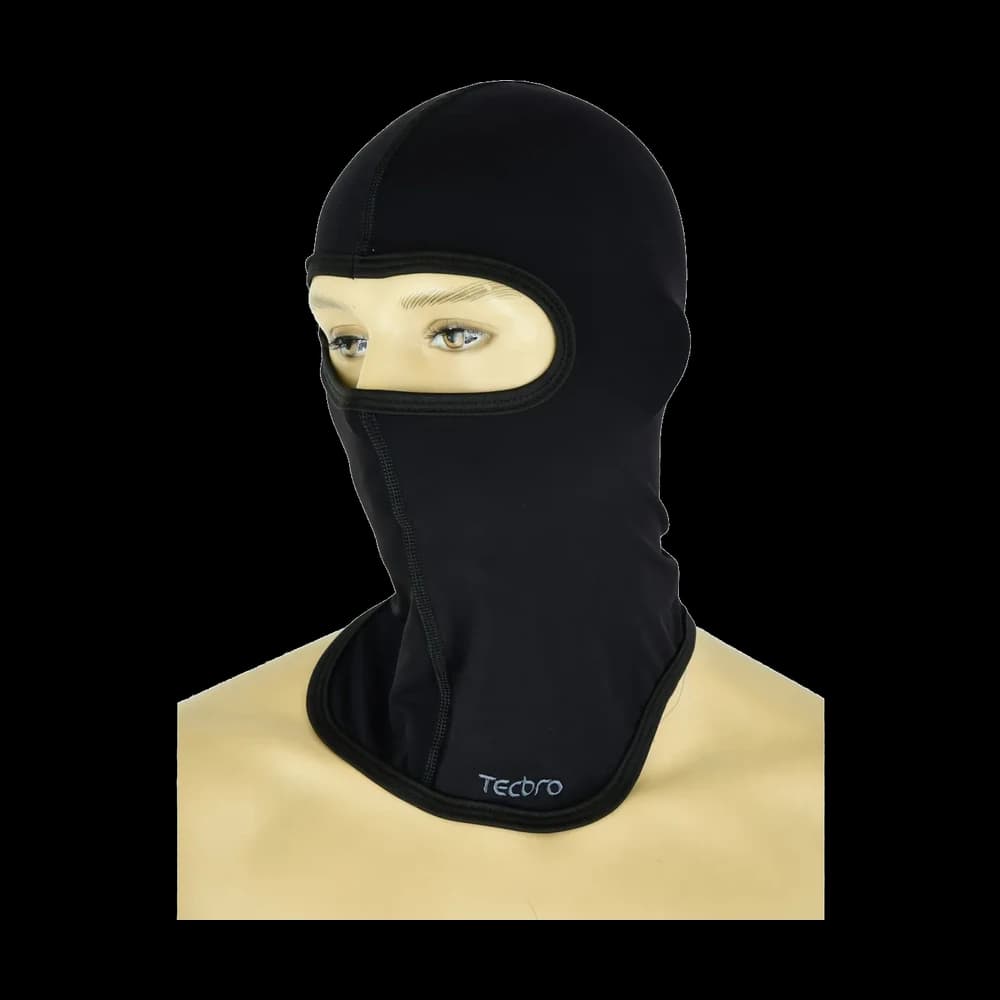
When the body gets cold it protects the core, narrowing the blood vessels at the skin and in the hands and feet. That is why fingers and ears…
AI assistant · answers in seconds
Hi, I am the Tecbro assistant. Ask me which gear suits your job, what size to order, or about shipping, returns and your order.
Answers are written by AI and can be wrong. Please do not share card details. Privacy